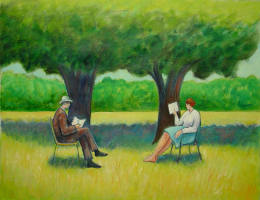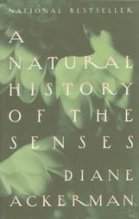
One of the earliest written documents on smell is a treatise known as De Odoribus, commonly attributed to Theophrastus of Athens (ca. 372 – ca. 287 BC). It dates back to the times when men wore white tunics, and sat under olive trees to ponder about life. Nature was a mysterious thing, and making sense of it (!) was based on experience rather than experiment. Although our outlook on Life and Nature has changed drastically over the course of centuries, we can still relate to the naturalist approach practiced in Ancient Greece. The huge popularity of Diane Ackerman’s Natural History of the Senses is a case in point…

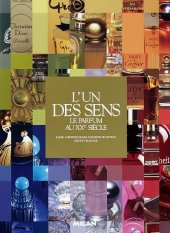
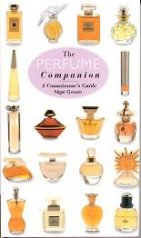 The smallest coffee-table book in my collection is Nigel Groom's Perfume Companion. It has the shape and size of a travel guide, which makes it a handy companion indeed: you can bring it along to the dentist, the hair salon, the nail studio, or the gym. But let's assume you have no intention to do that. What other advantages does a compact guide like The Perfume Companion have over ordinary coffee-table books? To answer that question, let's see what this “Connoisseur's Guide” has to offer.